
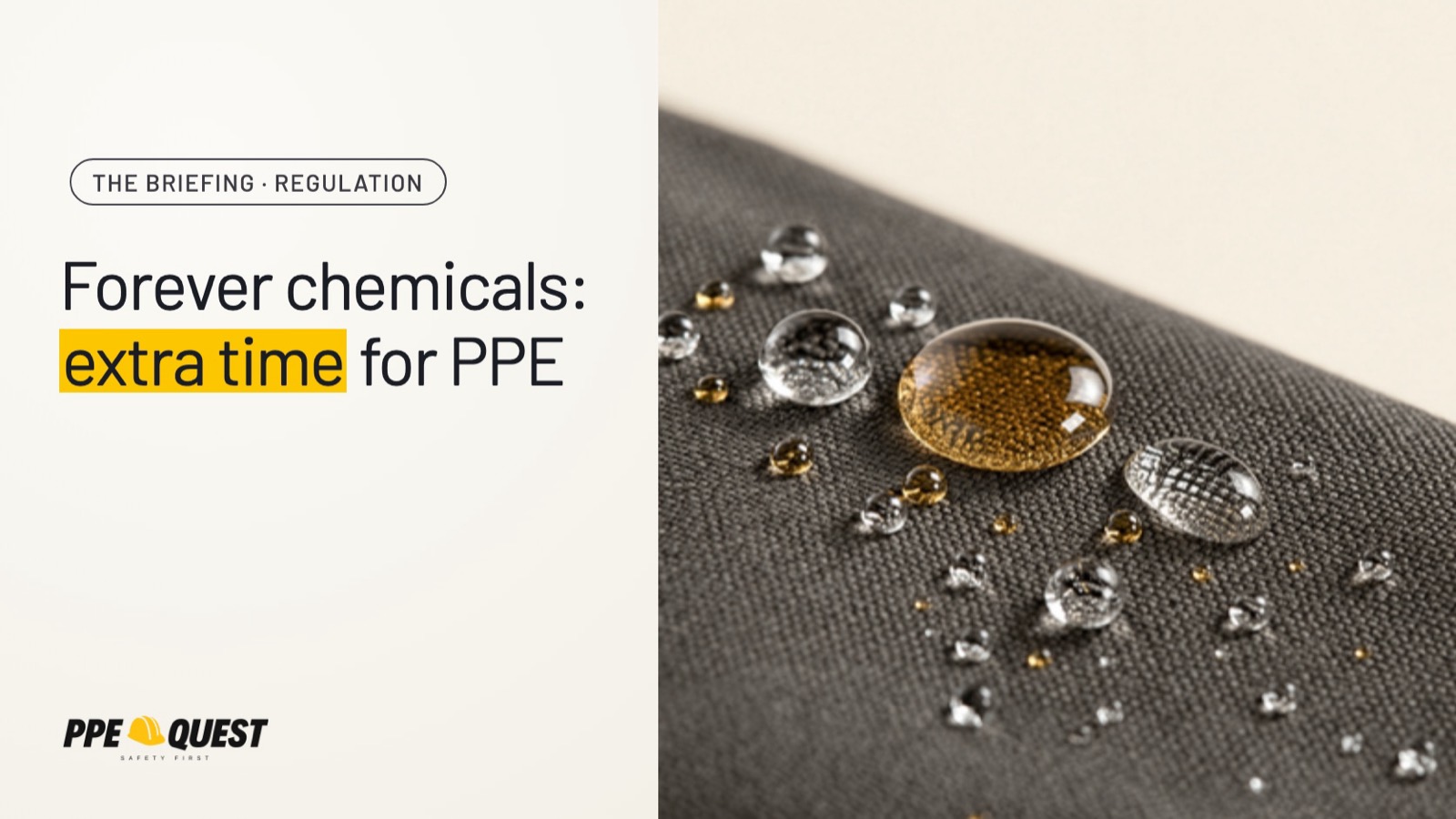
PFAS are a big family of man-made chemicals. People call them “forever chemicals” because they don’t break down in nature. In protective clothing, they’re the finish that makes oil and chemicals roll off the fabric.
Five European countries want to ban the whole family. On 19 November, the second of two expert committees at ECHA, the EU’s chemicals agency, adopted its final opinion, according to the news service Agence Europe.
What the experts say
- Yes to a ban, but in steps. The basic ban would start 18 months after the law is passed. It would cover consumer products, and uses where there’s already something else.
- Extra time where there’s no replacement yet. According to a draft of the opinion seen by Politico, the temporary exemptions run from 18 months to 13.5 years. Solar panels would get 6.5 years, cars and microchips 13.5 years.
- Personal protective equipment is on the list for temporary exemptions. The exact period for protective clothing hasn’t been published yet.
Why PPE is a special case
Finishes without PFAS keep water out quite well. Oil is the problem. For a chemical splash suit or a firefighter’s jacket, keeping oil and chemicals out is the whole job. The first committee said in March that PPE for workers was the only exception it could support.
What happens next
Both opinions go to the European Commission. It writes the actual law, and the EU countries vote on it. So nothing changes today. And the debate isn’t over: in a report out the same week, the European Court of Auditors warned that past EU restrictions on PFAS were often looser than ECHA had advised.
Sources: Agence Europe, 19 November 2026 · Politico, November 2026 · Impakter: EU weighs broader exemptions on PFAS ban · ECHA, risk committee opinion, March 2026 · The Scope: PFAS in technical textiles and workwear
 China
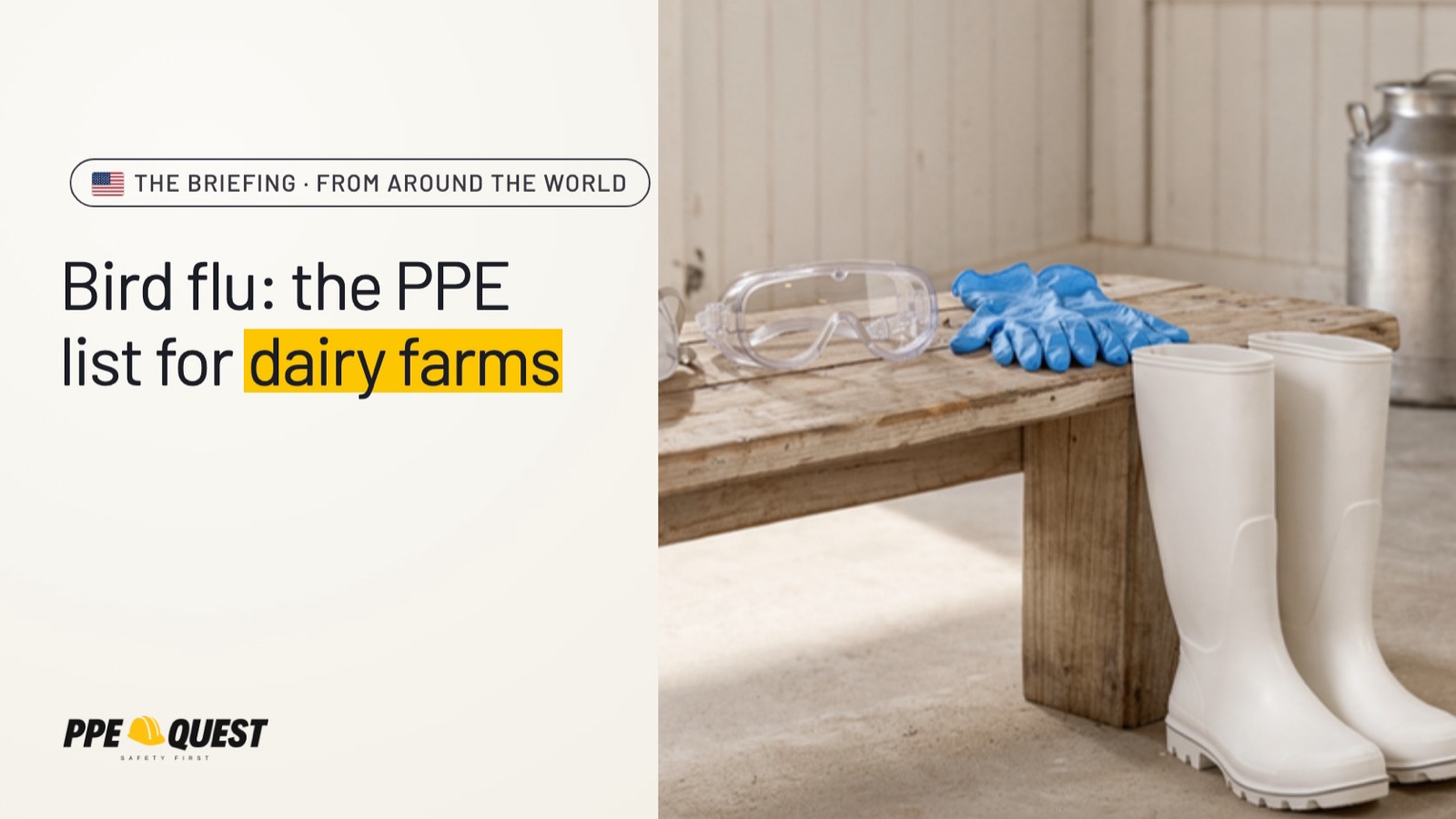
 USA